
La Vendemmia del Sagrantino
L a V e n d e m m i a d e l S a g r a n t i n o
E’ appena giunta al termine la vendemmia del nostro gioiellino umbro, il Sagrantino Montefalco. Una sola tipologia di uva ma proveniente da differenti tipi di vigneti, e declinata in tre tipologie diverse di vini: il Sagrantino Ma.Gia, il Sagrantino secco e il Sagrantino Passito.
Scoprite assieme a noi quali sono i risultati della raccolta del 2020!
Montefalco Sagrantino Ma.Gia D.O.C.G.
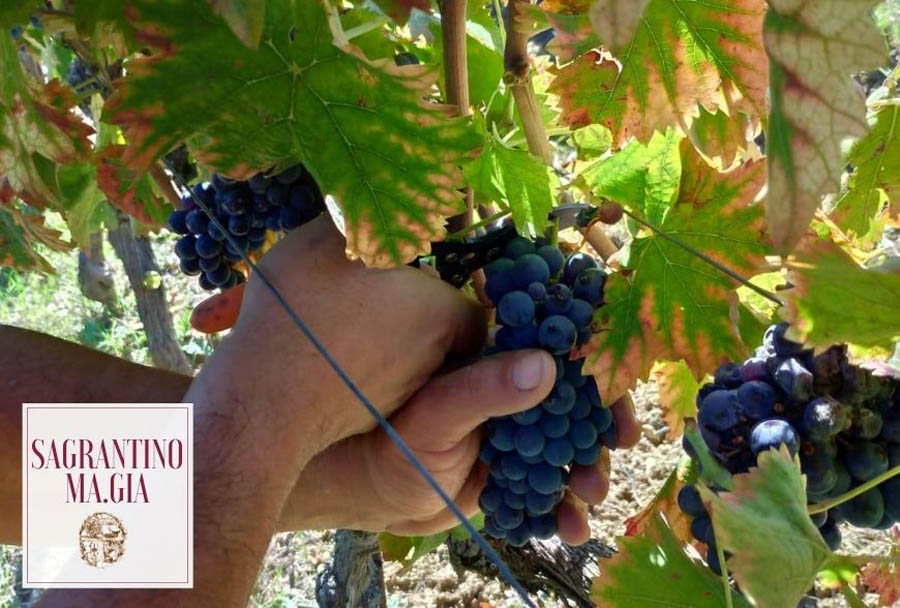
Con una raccolta manuale di tutto punto, effettuata a metà ottobre 2020, ecco i nostri meravigliosi grappoli d’uva Sagrantino provenienti da un vigneto specifico: il vigneto Fonte Petrella, ossia il miglior vigneto Montioni!
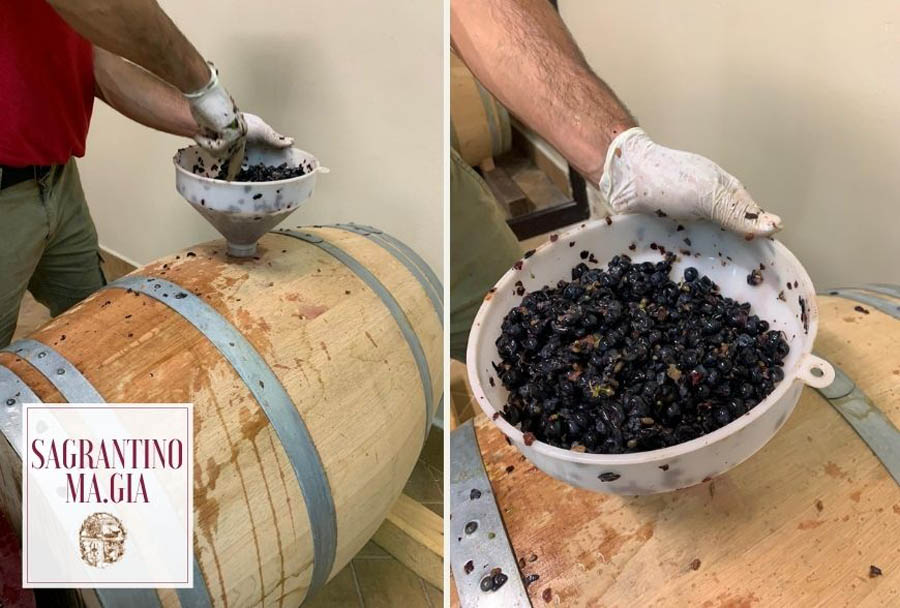
Durante due giornate splendide, soleggiate e limpide, è avvenuta la raccolta di questi frutti che andranno a fermentare in maniera naturale rigorosamente all’interno delle nostre pregiatissime barrique francesi. Le nostre barrique provengono direttamente dalla foresta di Tronçais, una delle migliori del dipartimento dell’Allier in Francia.
La svinatura, il processo con cui si separano vino e vinacce è prevista per il 28 dicembre.
>> In attesa del risultato potete provare il nostro Montefalco Sagrantino Ma.Gia DOCG annata 2015, dal gusto intenso e profumo di liquirizia, amarene, ciliegie e cioccolato!
Ecco alcune immagini dei momenti salienti della raccolta nei vigneti Montioni in Umbria:


Ecco alcune immagini dei momenti salienti della raccolta nei vigneti Montioni in Umbria:
Montefalco Sagrantino D.O.C.G. (secco)
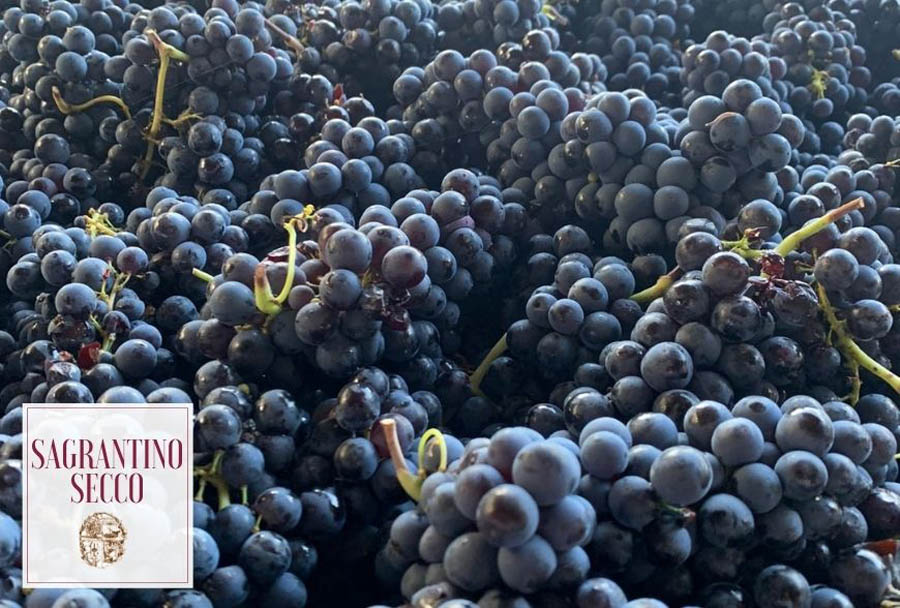
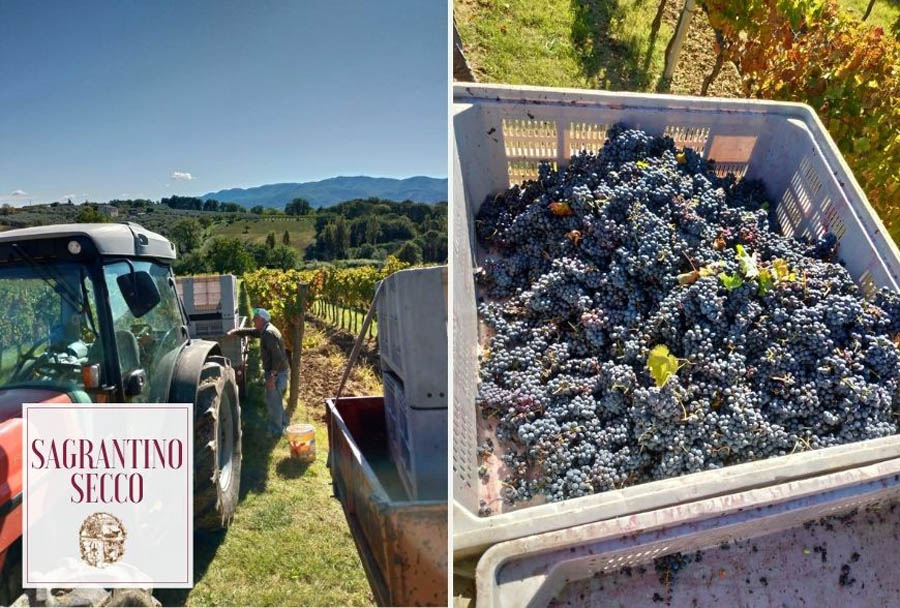
Raccolto rigorosamente in maniera manuale il 17 ottobre, i nostri grappoli di Sagrantino scoppiano di salute, bellissimi alla vista e al tatto!
Notiamo un calo della produzione del 15% circa, ma assolutamente fisiologico dato il raccolto ottenuto nel 2019, assolutamente e incredibilmente abbondante.
Come appaiono i grappoli? Dotati di una bellissima buccia spessa e croccante, ideale per la fermentazione naturale di circa 45 giorni da noi tradizionalmente effettuata. Il succo inoltre appare veramente denso e molto dolce.
>> In attesa del risultato potete provare il nostro Montefalco Sagrantino DOCG annata 2016, tipico per i supoi profumi speziati e perfetto per accompagnare formaggi stagionati, selvaggina e arrosti succulenti.
Ecco alcune immagini dei momenti salienti della raccolta nei vigneti Montioni in Umbria:
Montefalco Sagrantino PASSITO
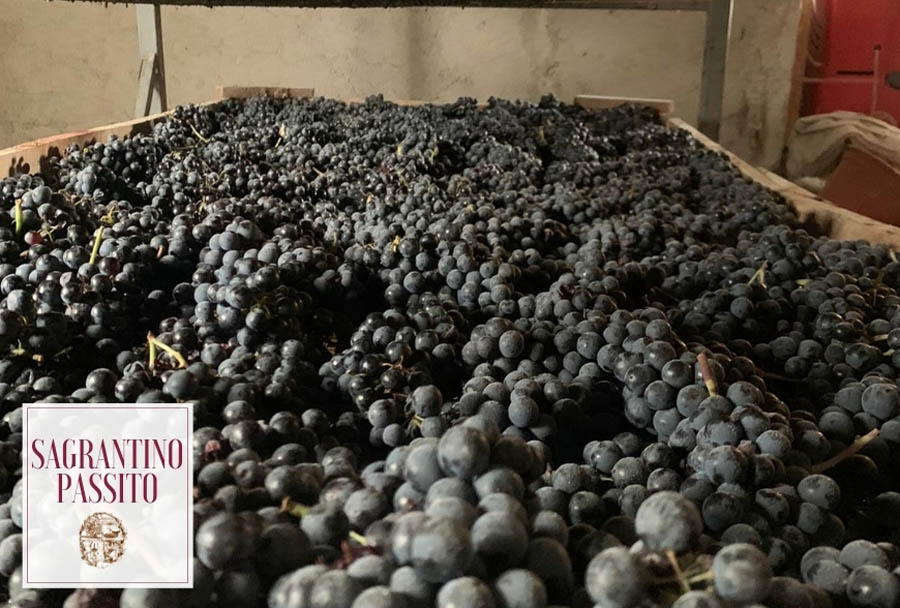
Come è noto, in origine le uve del Sagrantino venivano utilizzate esclusivamente per produrre questo vino dolce e considerato molto speciale soprattutto nel nostro territorio.
Ancora oggi però, come un tempo, il Sagrantino Passito è apprezzatissimo! La nostra vendemmia ci ha portato dei grappoli sanissimi e molto belli, provenienti direttamente da uno specifico vigneto chiamato “Li Cicitti”. Perché proprio da questo vigneto? Perché qui l’età media delle viti è di ben 30 anni!
Attualmente i grappoli sono stati messi ad appassire, attendiamo ancora due mesi per poi lavorarne le uve e realizzare questo gioiello di antica tradizione umbra.
On occasion, the winemaker may decide to leave them in if the grapes themselves contain less tannin than desired. This is more acceptable if the stems have ‘ripened’ and started to turn brown. If increased skin extraction is desired, a winemaker might choose to crush the grapes after destemming.
Wine is one of the most civilized things in the world and one of the most natural things of the world that has been brought to the greatest perfection, and it offers a greater range for enjoyment and appreciation than, possibly, any other purely sensory thing.
Ernest Hemingway Tweet
Removal of stems first means no stem tannin can be extracted. In these cases the grapes pass between two rollers which squeeze the grapes enough to separate the skin and pulp, but not so much as to cause excessive shearing or tearing of the skin tissues. In some cases, notably with “delicate” red varietals such as Pinot noir or Syrah, all or part of the grapes might be left uncrushed (called “whole berry”) to encourage the retention of fruity aromas through partial carbonic maceration.
The Grapes
The quality of the grapes determines the quality of the wine more than any other factor. Grape quality is affected by variety as well as weather during the growing season, soil minerals and acidity, time of harvest, and pruning method. The combination of these effects is often referred to as the grape’s terroir.
Grapes are usually harvested from the vineyard from early September until early November in the northern hemisphere, and mid February until early March in the southern hemisphere.
In some cool areas in the southern hemisphere, for example Tasmania, harvesting extends into May. The most common species of wine grape is Vitis Vinifera, which includes nearly all varieties of European origin. The most common species of wine grape is Vitis Vinifera, which includes nearly all varieties of European origin.

Manual harvesting is the hand-picking of grape clusters from the grapevines. In the United States, some grapes are picked into one- or two-ton bins for transport back to the winery. Manual harvesting has the advantage of using knowledgeable labor to not only pick the ripe clusters but also to leave behind the clusters that are not ripe or contain bunch rot or other defects. This can be an effective first line of defense to prevent inferior quality fruit from contaminating a lot or tank of wine.
Destemming is the process of separating stems from the grapes. Depending on the winemaking procedure, this process may be undertaken before crushing with the purpose of lowering the development of tannins and vegetal flavors in the resulting wine. Single berry harvesting, as is done with some German Trockenbeerenauslese, avoids this step altogether with the grapes being individually selected.
Crushing is the process when gently squeezing the berries and breaking the skins to start to liberate the contents of the berries. Destemming is the process of removing the grapes from the rachis (the stem which holds the grapes).
In traditional and smaller-scale wine making, the harvested grapes are sometimes crushed by trampling them barefoot or by the use of inexpensive small scale crushers. These can also destem at the same time. However, in larger wineries, a mechanical crusher/destemmer is used. The decision about destemming is different for red and white wine making. Generally when making white wine the fruit is only crushed, the stems are then placed in the press with the berries. The presence of stems in the mix facilitates pressing by allowing juice to flow past flattened skins.

Katerina Monroe
@katerinam • More Posts by Katerina
Congratulations on the award, it's well deserved! You guys definitely know what you're doing. Looking forward to my next visit to the winery!

