
Recipe: duck breast with sour cherries and chanterelles with Ma.Gia Sagrantino
R e c i p e : d u c k b r e a s t w i t h s o u r c h e r r i e s a n d c h a n t e r e l l e s w i t h M a . G i a S a g r a n t i n o
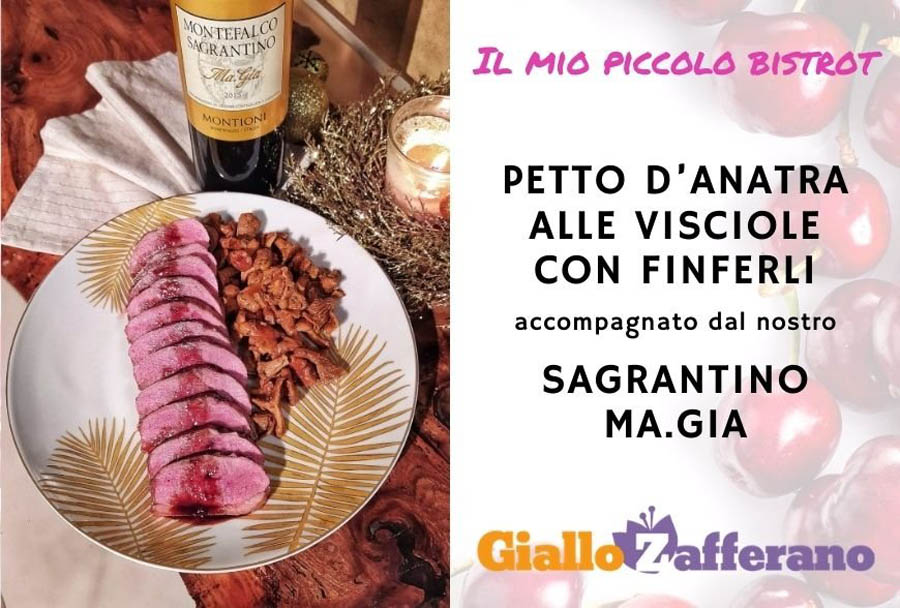
Our friend Manuela, passionate about cooking, food and wine, has created for her blog in Giallo Zafferano a new and tasty recipe!
We present a second course based on duck to match with our Montioni Ma.Gia Sagrantino!
Montioni Ma.Gia Sagrantino is our finest wine because it is produced with 100% Sagrantino grapes, from the best Montioni vineyard and harvested by hand from the second half of October. It is special because it was created for the birth of the fourth generation of the Montioni family.
Curious to know the recipe? Let’s find out now!


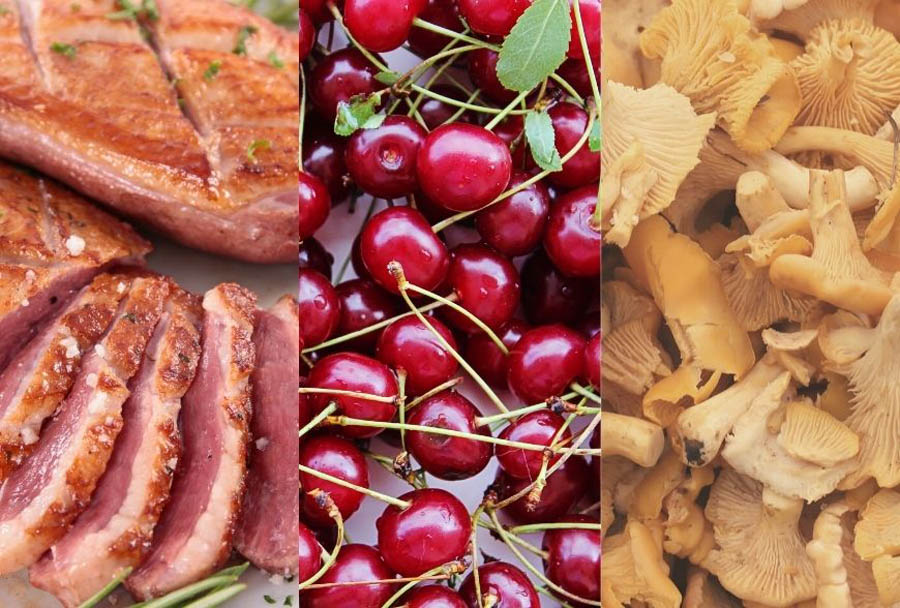
Here are the ingredients to make the duck breast with sour cherries by Il mio Piccolo Bistrot:
1 duck breast
2 garlic cloves
2 sprig of thyme
1/2 glass of cooking juices of the meat
1/2 glass of sour cherry wine
500 g chanterelle mushrooms
qb extra virgin olive oil
qb salt
qb pepper
What is the best wine of Montioni Winery to pair with this dish with wild flavors and a hint of bitterness?
Of course our Montioni Ma.Gia Montefalco Sagrantino with the aroma of liquorice, black cherries and dark chocolate!
DISCOVER NOW THE COMPLETE RECIPE OF DUCK BREAST WITH SOUR CHERRIES WITH CHANTERELLES OF MANUELA!
Thanks again to Manuela and her blog “Il mio piccolo bistrot” hosted by Giallo Zafferano!
4) Aggiungete il brodo caldo e la zucca e continuare la cottura per 12-15 minuti.
5) Mantecate il risotto fuori dal fuoco con burro, parmigiano e taleggio.
6) Infine decorate il piatto con semi di zucca tostati e il taleggio sciolto con un po’ di latte.
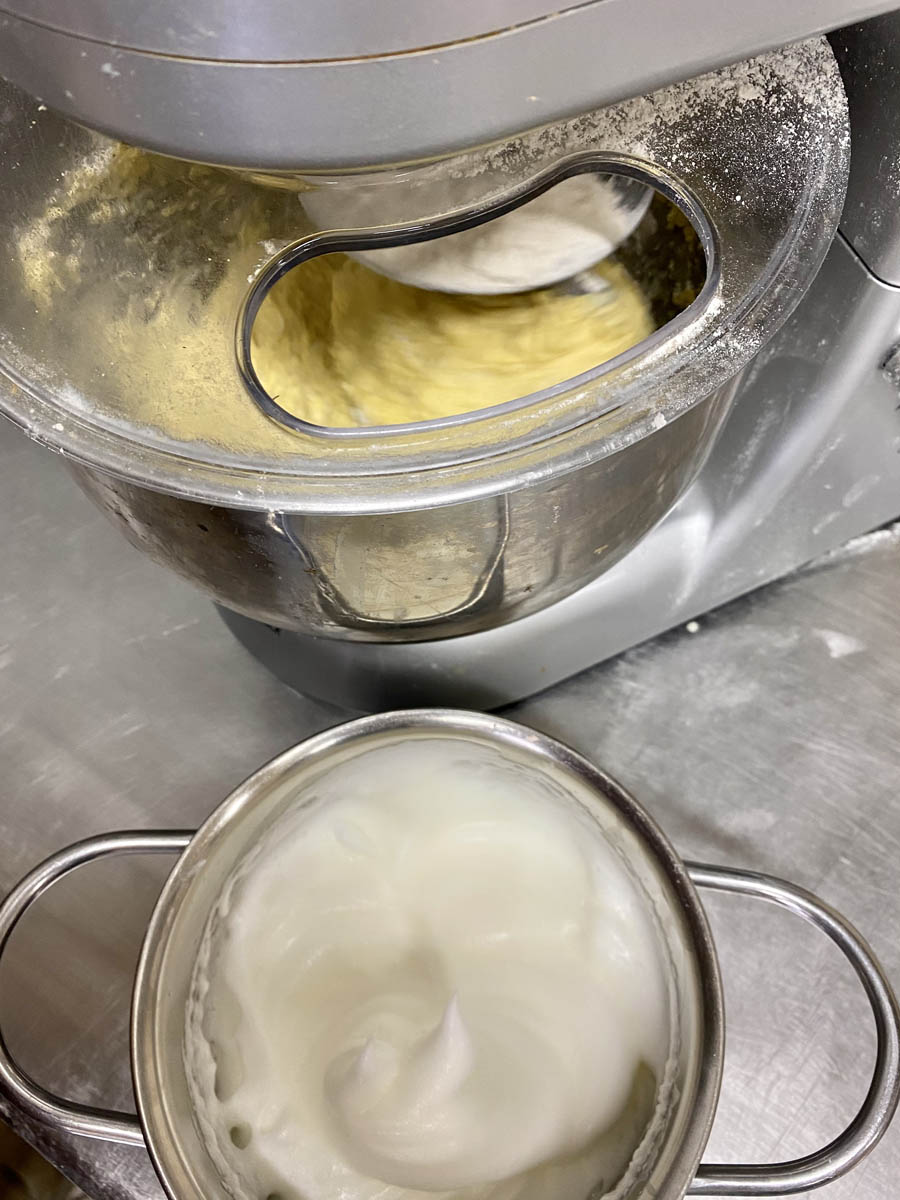
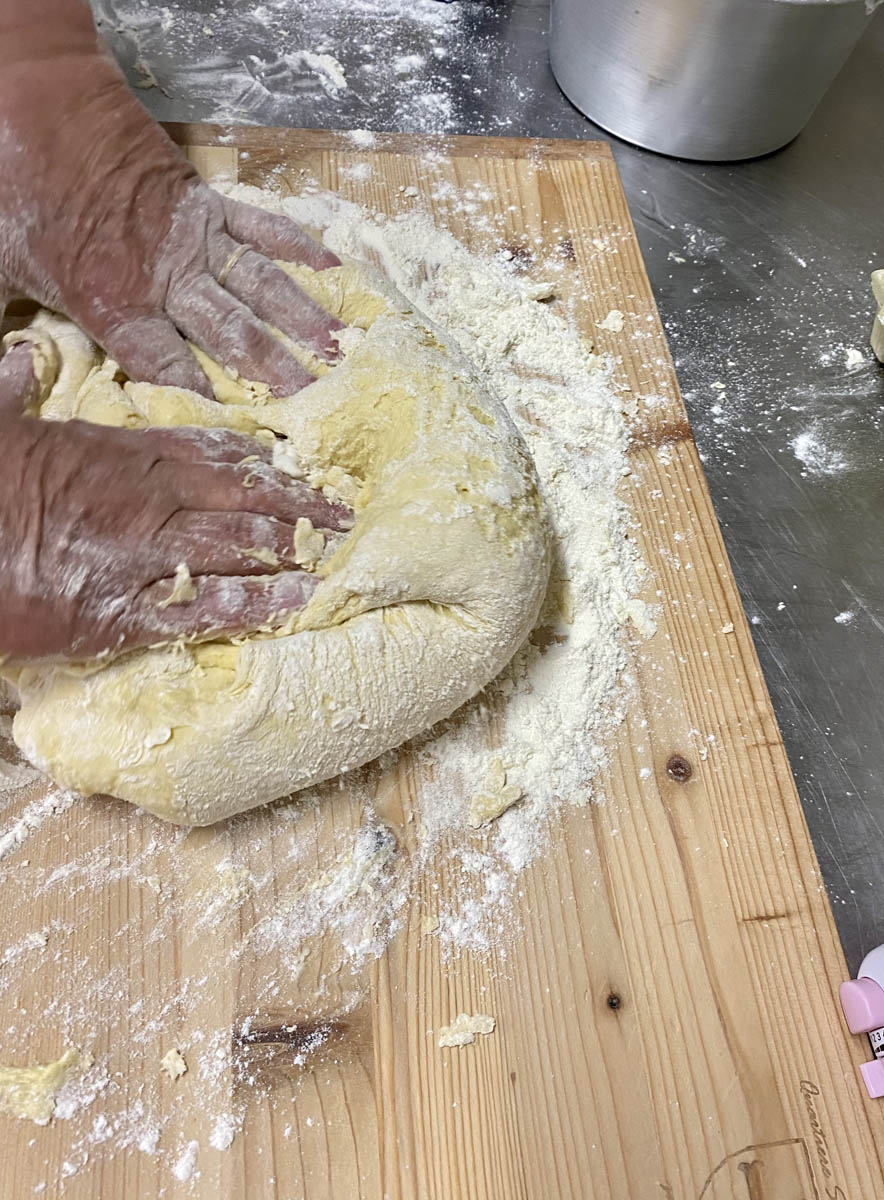
7) Versare l’impasto ottenuto su una spianatoia e rimaneggiare con l’aiuto della farina piegando l’impasto più volte su se stesso e sui lati.
8) Dividere l’impasto a metà formando 2 panetti e metterli su 2 teglie, dal diametro di 20 cm ciascuna.
9) Coprire le teglie con uno strato di pellicola e poi con un panno. Lasciare a lievitare per circa 3 ore in un luogo tiepido.
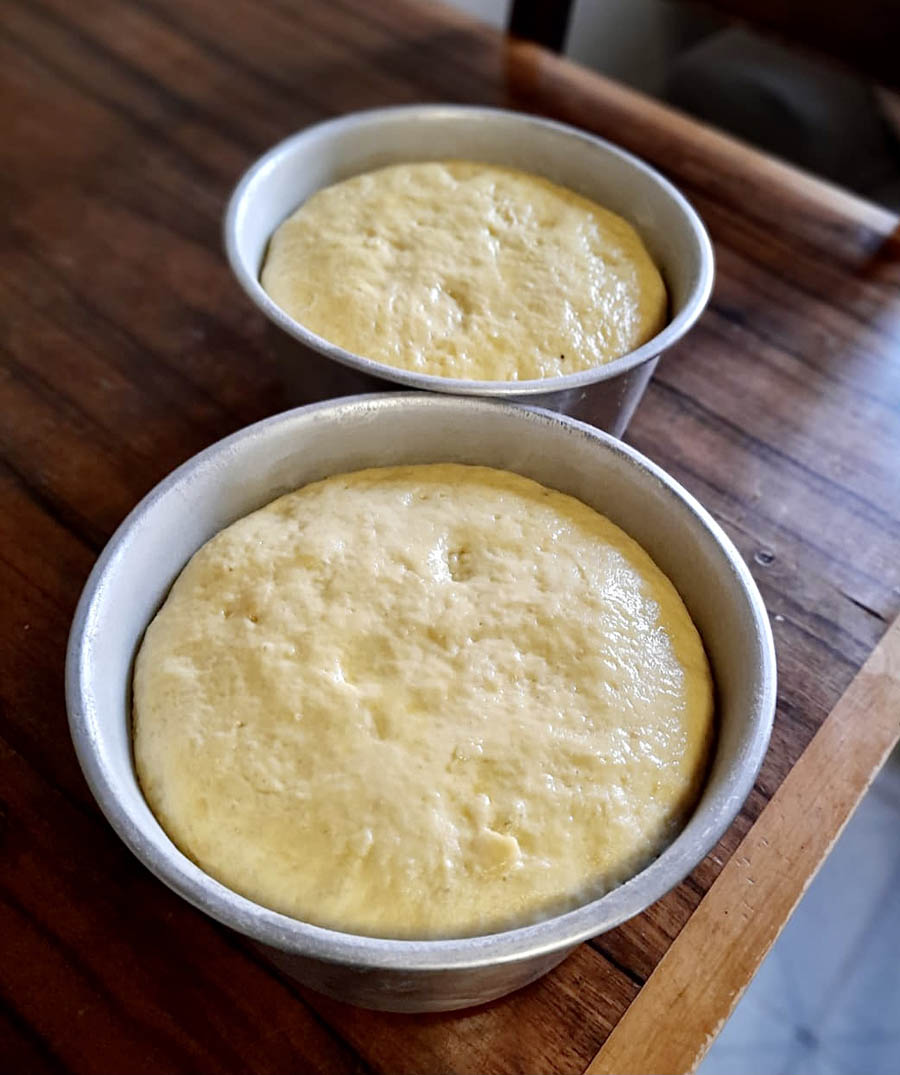
(Impasto dopo 3 ore di lievitazione)
10) Una volta che entrambi gli impasti saranno lievitati, infornare per 40 minuti a 190 gradi.
Il risultato è un magnifico e buonissimo piatto umbro amato da tutti i bambini e da tutti gli adulti!
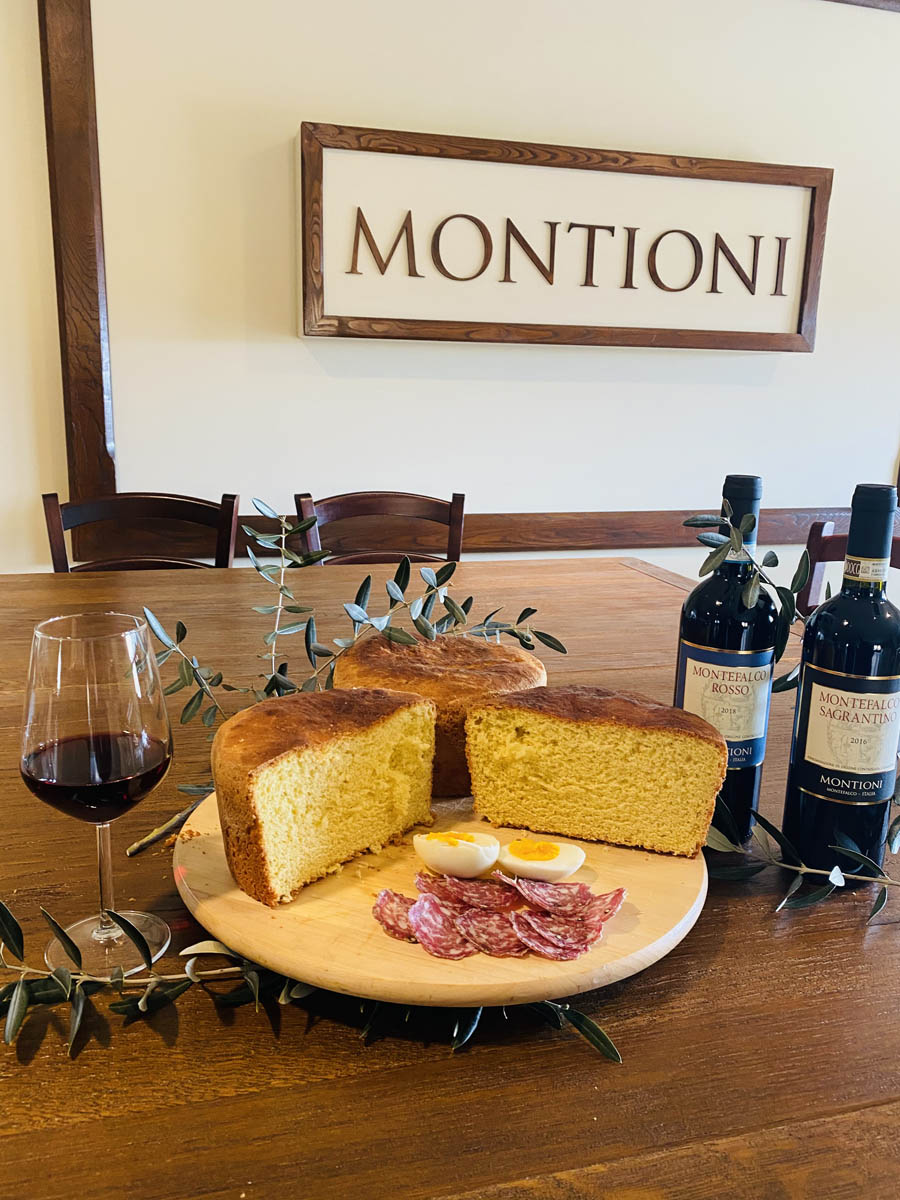
L’abbinamento perfetto?
Ovviamente il Sagrantino di Montefalco DOCG Montioni oppure il Montefalco Rosso DOC Montioni, i nostri vini rossi che ben si accostano a dei formaggi stagionati!
Non ci resta che augurare a tutti voi una buona Pasqua e… Una buona pizza umbra al formaggio!
(Prima della lievitazione)
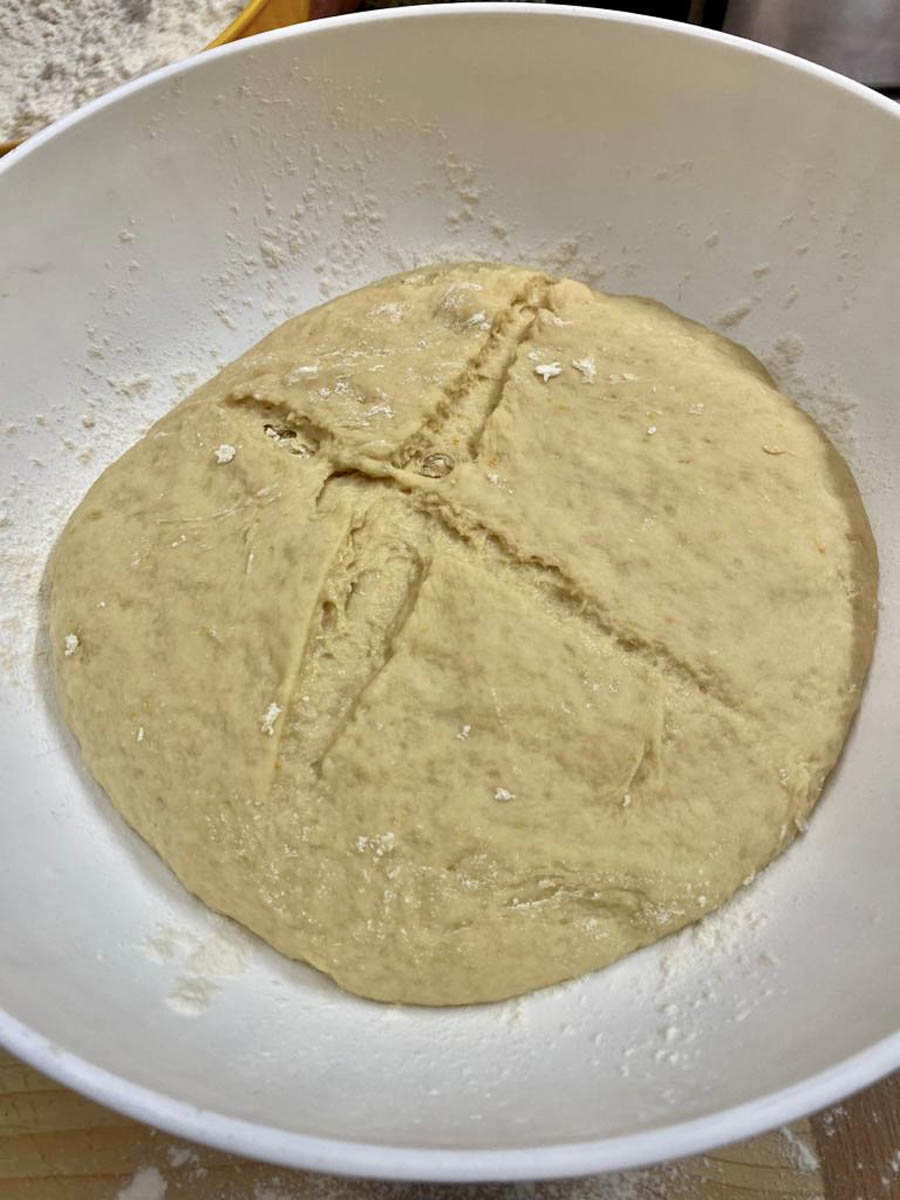
(Dopo la lievitazione)
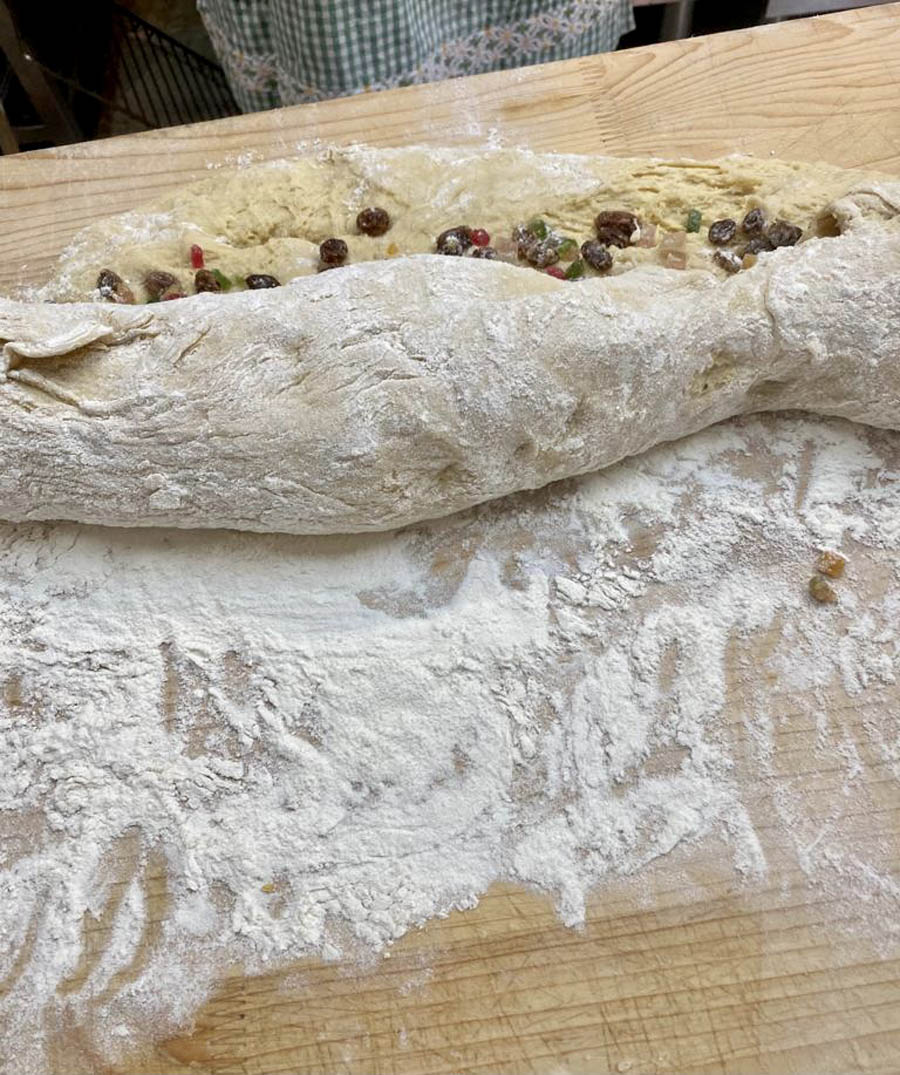
9) Una volta lievitato, rimettere il panetto sul piano di lavoro, allargandolo e spolverandolo con i canditi e l’uvetta leggermente infarinati.
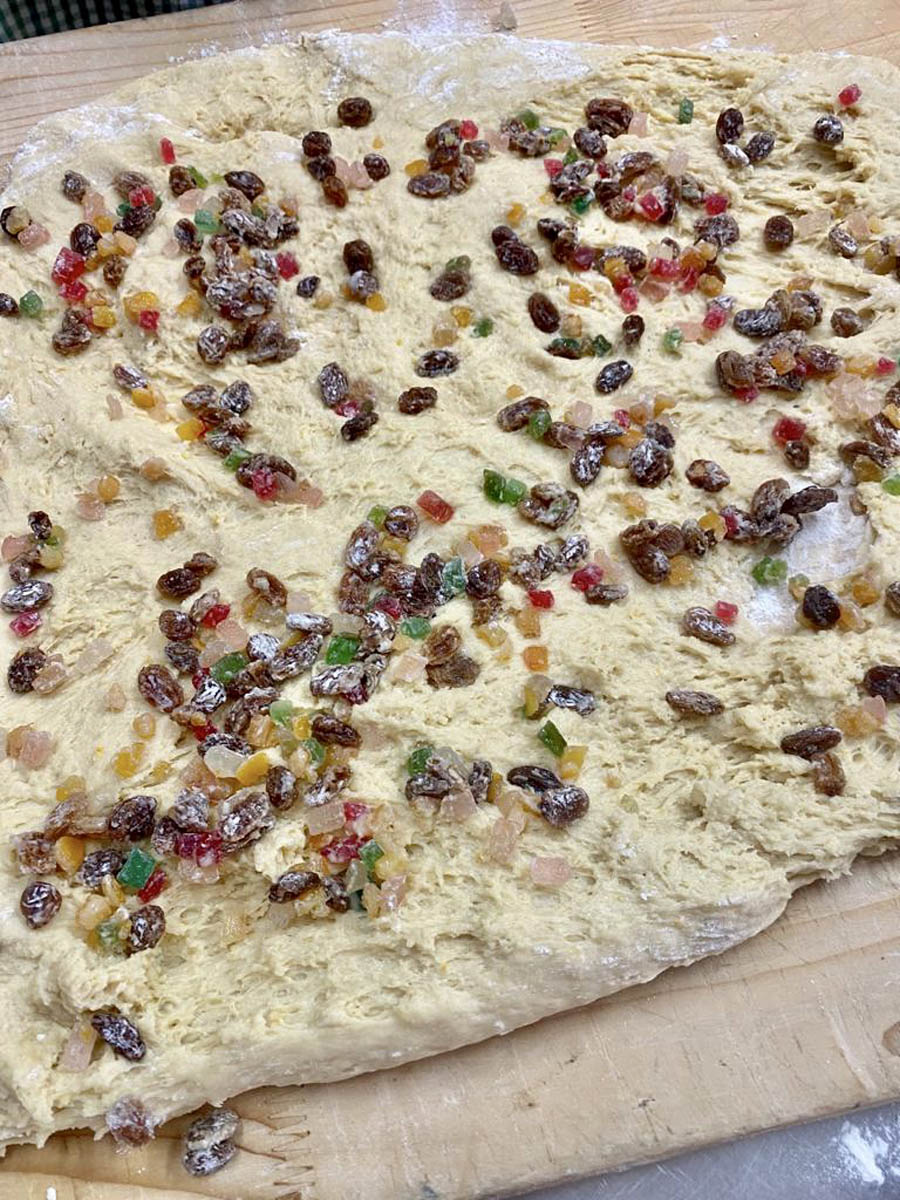
10) Arrotolare l’impasto su se stesso e piegarlo più volte per amalgamare bene il tutto, usando un po’ di farina.
11) Dividere l’impasto in 3 dosi, quindi in 3 panetti, usando un filo di Olio EVO Montioni.
12) Mettere ciascun panetto nella sua teglia e lasciarli lievitare per circa 3 ore e mezzo.
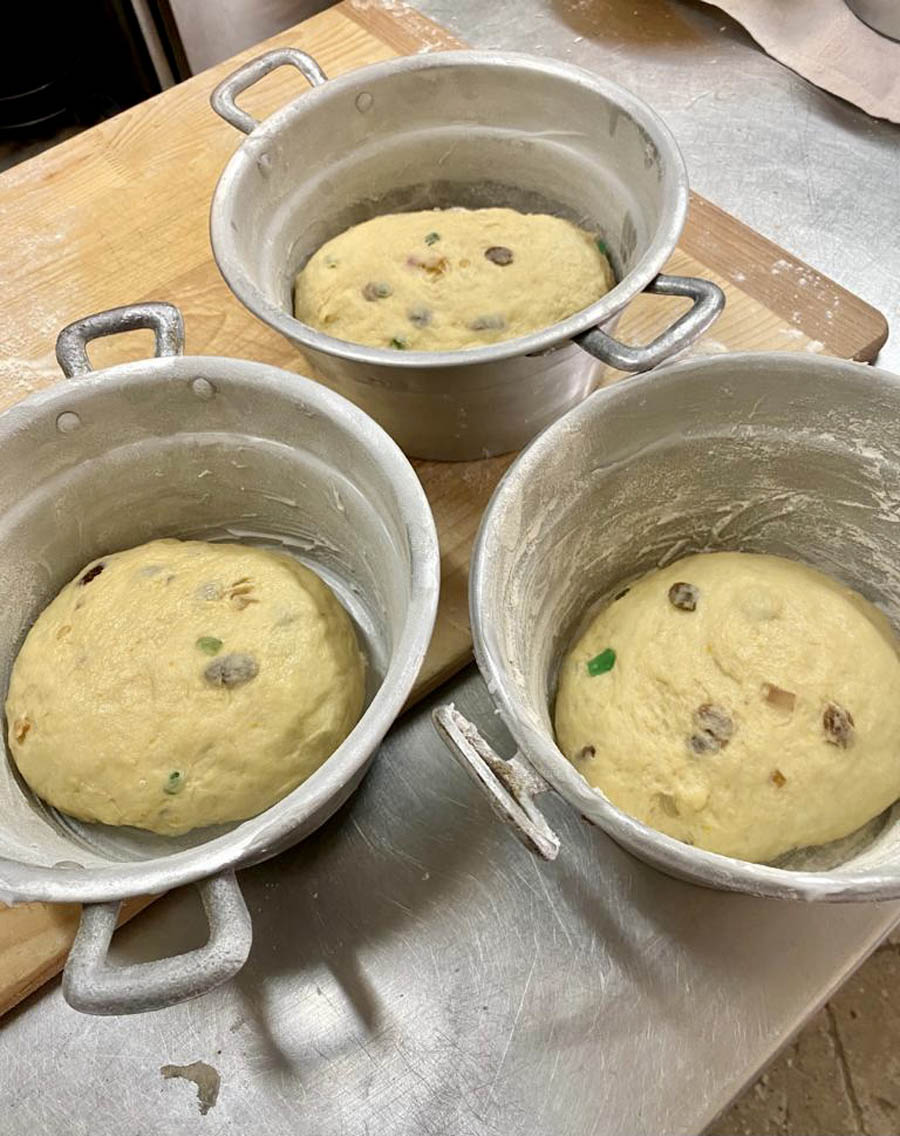
13) Conclusa la lievitazione, infornare a 170° gradi per 40 minuti.
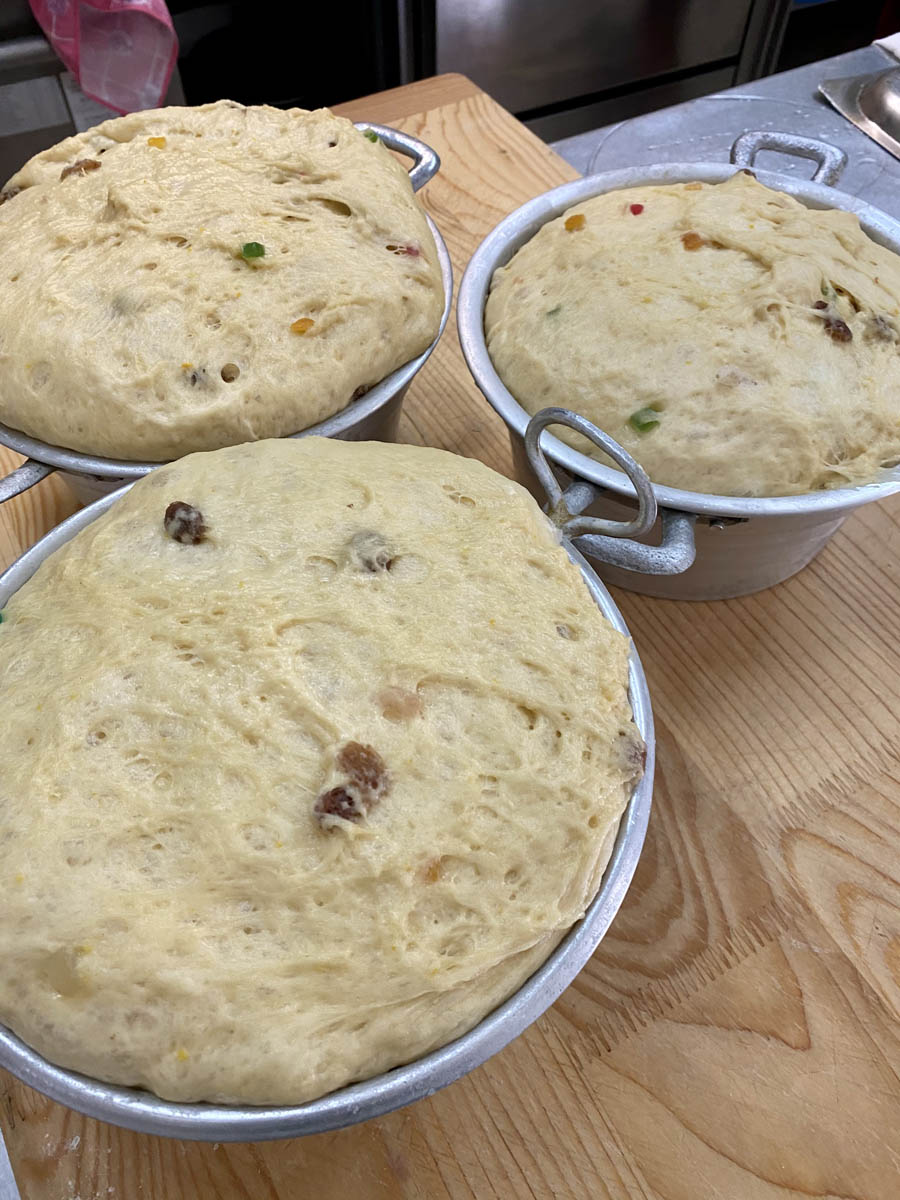
(Pizze lievitate)
Tocco finale:
Sfornare le pizze dolci e spennellarle con due cucchiaini di zucchero a velo sciolti con il succo di mezzo limone. Poi rimetterle nel forno spento, ma ancora caldo, per ulteriori 10 minuti.
Il risultato? Eccolo…
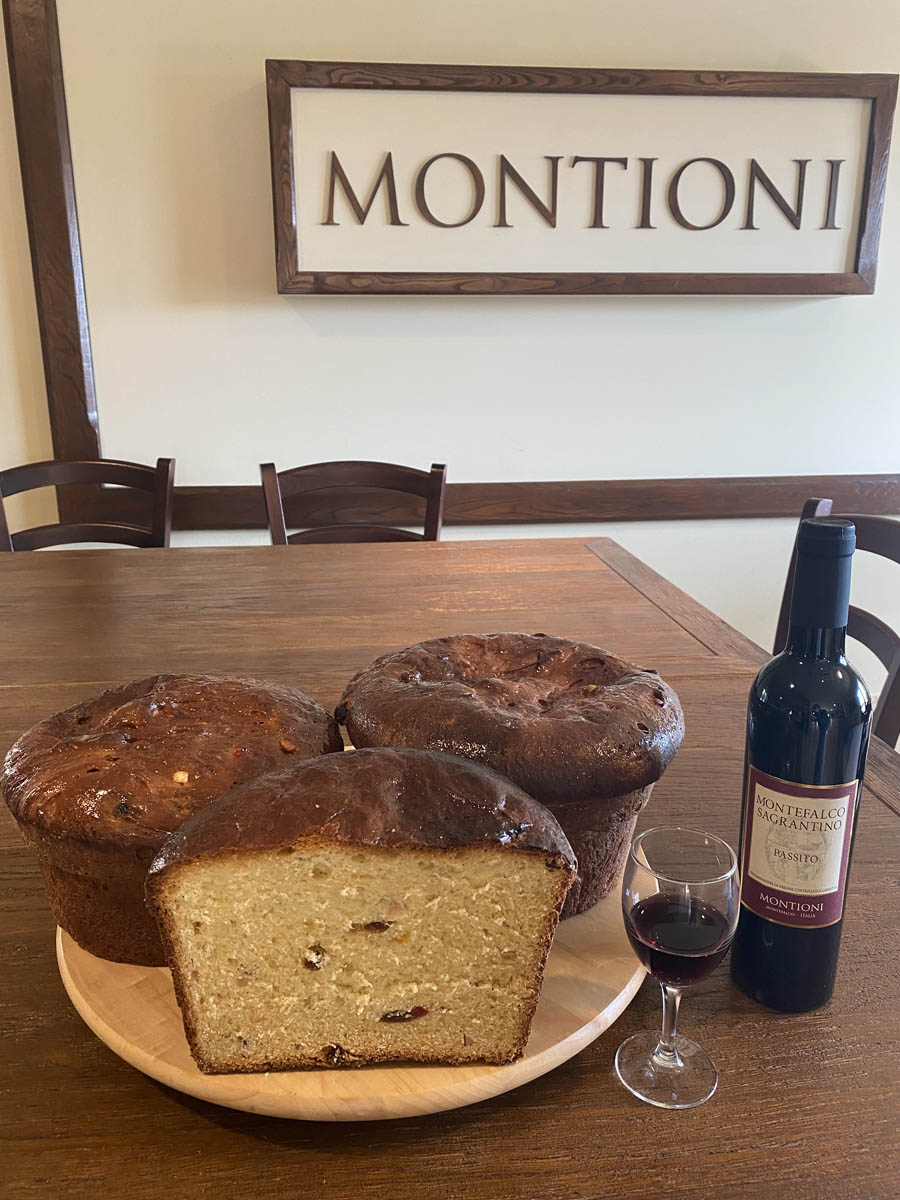
Tantissimi auguri di buona Pasqua da tutto lo staff dell’Azienda Agricola Montioni!
A presto!
On occasion, the winemaker may decide to leave them in if the grapes themselves contain less tannin than desired. This is more acceptable if the stems have ‘ripened’ and started to turn brown. If increased skin extraction is desired, a winemaker might choose to crush the grapes after destemming.
Wine is one of the most civilized things in the world and one of the most natural things of the world that has been brought to the greatest perfection, and it offers a greater range for enjoyment and appreciation than, possibly, any other purely sensory thing.
Ernest Hemingway Tweet
Removal of stems first means no stem tannin can be extracted. In these cases the grapes pass between two rollers which squeeze the grapes enough to separate the skin and pulp, but not so much as to cause excessive shearing or tearing of the skin tissues. In some cases, notably with “delicate” red varietals such as Pinot noir or Syrah, all or part of the grapes might be left uncrushed (called “whole berry”) to encourage the retention of fruity aromas through partial carbonic maceration.
The Grapes
The quality of the grapes determines the quality of the wine more than any other factor. Grape quality is affected by variety as well as weather during the growing season, soil minerals and acidity, time of harvest, and pruning method. The combination of these effects is often referred to as the grape’s terroir.
Grapes are usually harvested from the vineyard from early September until early November in the northern hemisphere, and mid February until early March in the southern hemisphere.
In some cool areas in the southern hemisphere, for example Tasmania, harvesting extends into May. The most common species of wine grape is Vitis Vinifera, which includes nearly all varieties of European origin. The most common species of wine grape is Vitis Vinifera, which includes nearly all varieties of European origin.

Manual harvesting is the hand-picking of grape clusters from the grapevines. In the United States, some grapes are picked into one- or two-ton bins for transport back to the winery. Manual harvesting has the advantage of using knowledgeable labor to not only pick the ripe clusters but also to leave behind the clusters that are not ripe or contain bunch rot or other defects. This can be an effective first line of defense to prevent inferior quality fruit from contaminating a lot or tank of wine.
Destemming is the process of separating stems from the grapes. Depending on the winemaking procedure, this process may be undertaken before crushing with the purpose of lowering the development of tannins and vegetal flavors in the resulting wine. Single berry harvesting, as is done with some German Trockenbeerenauslese, avoids this step altogether with the grapes being individually selected.
Crushing is the process when gently squeezing the berries and breaking the skins to start to liberate the contents of the berries. Destemming is the process of removing the grapes from the rachis (the stem which holds the grapes).
In traditional and smaller-scale wine making, the harvested grapes are sometimes crushed by trampling them barefoot or by the use of inexpensive small scale crushers. These can also destem at the same time. However, in larger wineries, a mechanical crusher/destemmer is used. The decision about destemming is different for red and white wine making. Generally when making white wine the fruit is only crushed, the stems are then placed in the press with the berries. The presence of stems in the mix facilitates pressing by allowing juice to flow past flattened skins.

Katerina Monroe
@katerinam • More Posts by Katerina
Congratulations on the award, it's well deserved! You guys definitely know what you're doing. Looking forward to my next visit to the winery!

