
Recipe collection of the azienda agricola Montioni
R e c i p e c o l l e c t i o n o f t h e a z i e n d a a g r i c o l a M o n t i o n i
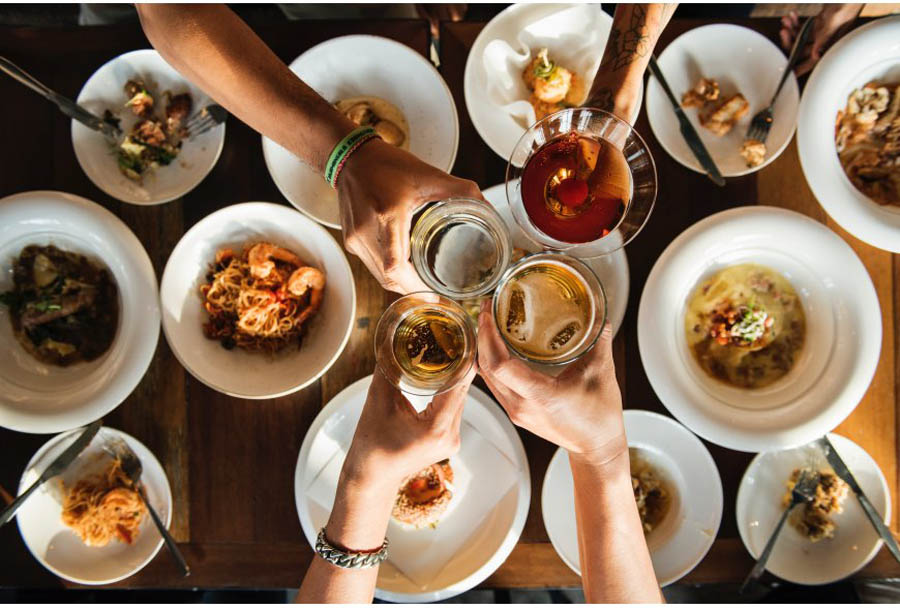
Between Kitchen and Cellar, the collection of recipes to best pair Montefalco oil and wine!
Between Kitchen and Cellar is the new space of Azienda Agricola Montioni’s blog where all of you, our loyal customers, will be able to give vent to your culinary art. If you love good food, good wine, and traditionally processed oil, you are in the right place!
It is not always easy to pair some dishes with the right wine to enhance the flavour of the food and, at the same time, let the wine be the leading role of the meal. In Between Kitchen and Cellar we will leave room for both your traditional and innovative recipes you create every day in your kitchen.
An opportunity to discuss, to share recipes, and most importantly, to understand what the top pairings are between kitchen (food, oil, taste) and cellar (wine, aromas, notes).
How to participate in Between Kitchen and Cellar with your recipes
Do you like our wines, and our oils? How do you use them in cooking? What are your favourite food pairings? And the most curious ones?
This space is open to your recipes, your ideas, how you paired the best wine to your favourite dish, and why not? Let us know how you chose the right dish to match with that bottle you absolutely wanted to uncork!
Send us 3 or 4 photos by email (info@gabrielemontioni.it), or by private message on our Montioni Facebook page.
If the recipe is appropriate, we will write to you and ask you for a small description of the steps. Finally, the best recipes will be posted on our Facebook page and here on our blog.
We do not ask for difficult or challenging recipes, but those you like the most, recipes of your local traditions showing how our products can be easily paired.


7) A cottura ultimata, rompere la crosta con un martelletto da cucina e ripulire il pesce dal sale in eccesso.

8) Ottenere le porzioni, aggiungere un filo di Olio extra vergine di oliva Montioni per rendere il pesce ancor più morbido e saporito.
Servire accompagnando il piatto con un ottimo Umbria Grechetto I.G.T. Montioni, perfetto con il pesce, ad una temperatura consigliata tra i 10°C e i 12°C

Dopo un filo d’Olio extravergine Montioni, il pesce al sale è pronto per essere gustato, accompagnato da un buon bicchiere di Grechetto della cantina Montioni!
Buon appetito!
Ringraziamo Paolo da Bologna per la gustosa ricetta e l’abbinamento perfetto da lui creato Tra Cucina e Cantina!
Aspettiamo con curiosità tutti vostri golosi abbinamenti! Potete rileggere tutte le regole per inviarci le vostre ricette qui!
On occasion, the winemaker may decide to leave them in if the grapes themselves contain less tannin than desired. This is more acceptable if the stems have ‘ripened’ and started to turn brown. If increased skin extraction is desired, a winemaker might choose to crush the grapes after destemming.
Wine is one of the most civilized things in the world and one of the most natural things of the world that has been brought to the greatest perfection, and it offers a greater range for enjoyment and appreciation than, possibly, any other purely sensory thing.
Ernest Hemingway Tweet
Removal of stems first means no stem tannin can be extracted. In these cases the grapes pass between two rollers which squeeze the grapes enough to separate the skin and pulp, but not so much as to cause excessive shearing or tearing of the skin tissues. In some cases, notably with “delicate” red varietals such as Pinot noir or Syrah, all or part of the grapes might be left uncrushed (called “whole berry”) to encourage the retention of fruity aromas through partial carbonic maceration.
The Grapes
The quality of the grapes determines the quality of the wine more than any other factor. Grape quality is affected by variety as well as weather during the growing season, soil minerals and acidity, time of harvest, and pruning method. The combination of these effects is often referred to as the grape’s terroir.
Grapes are usually harvested from the vineyard from early September until early November in the northern hemisphere, and mid February until early March in the southern hemisphere.
In some cool areas in the southern hemisphere, for example Tasmania, harvesting extends into May. The most common species of wine grape is Vitis Vinifera, which includes nearly all varieties of European origin. The most common species of wine grape is Vitis Vinifera, which includes nearly all varieties of European origin.

Manual harvesting is the hand-picking of grape clusters from the grapevines. In the United States, some grapes are picked into one- or two-ton bins for transport back to the winery. Manual harvesting has the advantage of using knowledgeable labor to not only pick the ripe clusters but also to leave behind the clusters that are not ripe or contain bunch rot or other defects. This can be an effective first line of defense to prevent inferior quality fruit from contaminating a lot or tank of wine.
Destemming is the process of separating stems from the grapes. Depending on the winemaking procedure, this process may be undertaken before crushing with the purpose of lowering the development of tannins and vegetal flavors in the resulting wine. Single berry harvesting, as is done with some German Trockenbeerenauslese, avoids this step altogether with the grapes being individually selected.
Crushing is the process when gently squeezing the berries and breaking the skins to start to liberate the contents of the berries. Destemming is the process of removing the grapes from the rachis (the stem which holds the grapes).
In traditional and smaller-scale wine making, the harvested grapes are sometimes crushed by trampling them barefoot or by the use of inexpensive small scale crushers. These can also destem at the same time. However, in larger wineries, a mechanical crusher/destemmer is used. The decision about destemming is different for red and white wine making. Generally when making white wine the fruit is only crushed, the stems are then placed in the press with the berries. The presence of stems in the mix facilitates pressing by allowing juice to flow past flattened skins.
Katerina Monroe
@katerinam • More Posts by Katerina
Congratulations on the award, it's well deserved! You guys definitely know what you're doing. Looking forward to my next visit to the winery!

