

Un evento che ogni anno cresce sempre di più, così come il Sagrantino di Montefalco!
Vi avevamo anticipato diverse novità e un evento ancora più ricco, ecco il nostro resoconto dopo la due giorni a Montefalco
1,5 milioni di bottiglie e circa 750 ettari: ecco i numeri incredibili del Sagrantino, esaltati all’interno dell’evento nato proprio per scoprire ogni anno le evoluzioni del vino rosso che simboleggia un’intera regione: l’Umbria.
Negli ultimi 20 anni, dal 2000 ad oggi, la produzione di Sagrantino si è addirittura triplicata, migliorando di anno in anno le sue caratteristiche. Come? Mantenendo un filo diretto con la tradizione tramandata di generazione in generazione del vino rosso Sagrantino, ma con uno “sguardo dritto verso il futuro”, come lo definisce Winemag nel suo articolo dedicato all’evento.
Sotto il microscopio sono passate ben 40 cantine provenienti da tutto il territorio umbro, che hanno potuto presentare la loro migliore produzione di Sagrantino annata 2016, in anteprima per l’appunto, per permettere a sommelier e operatori del settore vinicolo di gustare il prodotto prima della sua commercializzazione ufficiale.


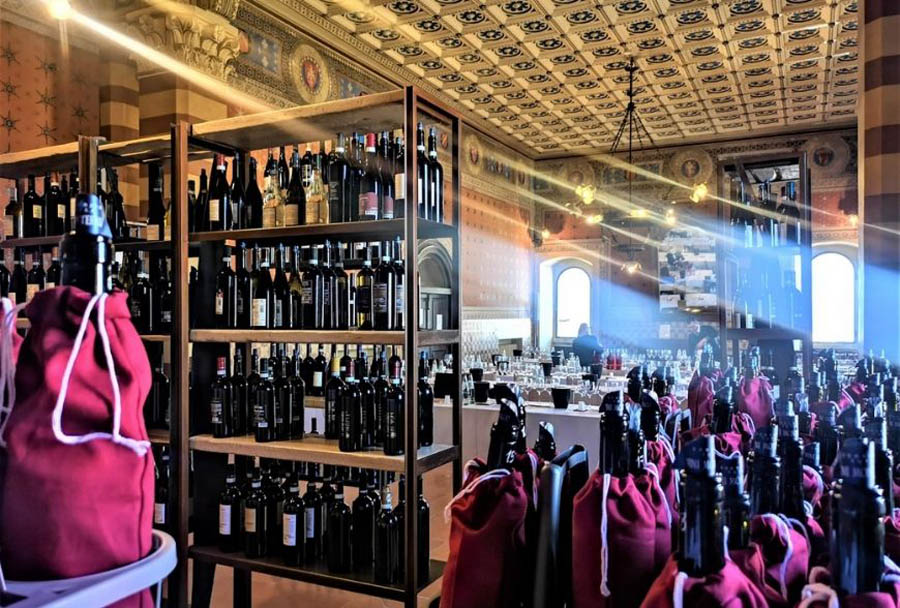
Le novità
Nuovo logo per questa edizione dell’evento enologico che si tiene ogni anno nella cornice storica di Montefalco in Umbria, ma non solo! Degustazioni aperte anche ai vini bianchi per la prima volta nella storia della manifestazione e ad altri vini rossi tipici. In particolare: Montefalco Rosso, Montefalco Rosso Riserva, Montefalco Bianco Doc, Montefalco Grechetto Doc, Spoleto Trebbiano Spoletino Doc.
E poi ancora Masterclass, eventi e visite in cantina (anche presso la Cantina Montioni, ovviamente! Ecco il link se volete prenotare un tour per una degustazione dei nostri vini durante tutto l’anno),tasting tecnico per la stampa, degustazioni tematiche e tanti momenti conviviali, perché il buon vino italiano unisce sempre, soprattutto gli appassionati.
I risultati: un’annata eccezionale per il Sagrantino 2016!
Come riporta il Consorzio Tutela vini Montefalco: “un’annata eccezionale”. Ecco come definire le bottiglie di Sagrantino degustate a Montefalco da una Commissione interna ed esterna di specialisti del vino e dagli operatori del settore.
5 stelle e un punteggio di 95/100 per un’annata dalle potenzialità splendide, con vini ricchi di materiale colorante, ottima struttura e componente acida molto interessante, tutti presupposti per vini eleganti, setosi e destinati ad un lungo invecchiamento.
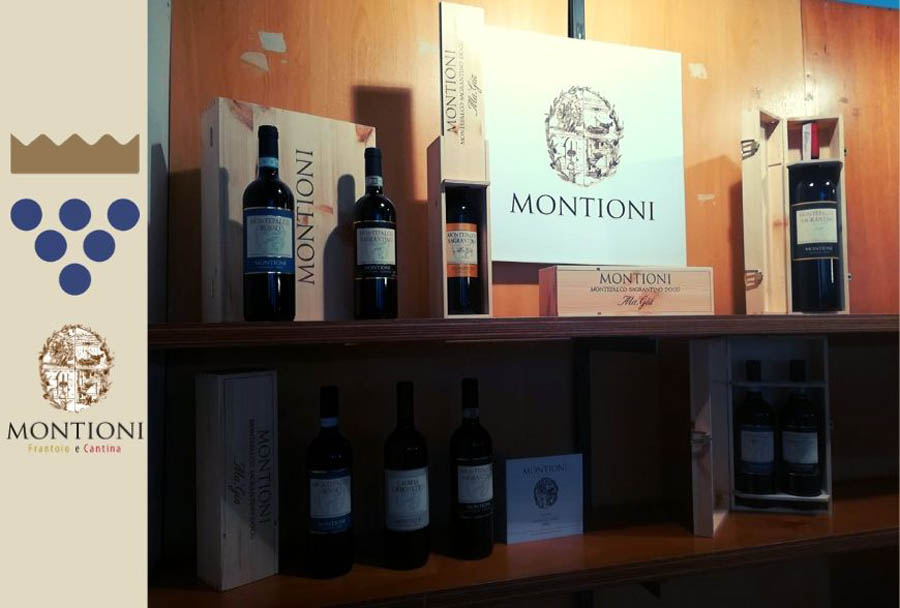
Tra i migliori assaggi spicca anche il Montefalco Rosso DOC 2017 Montioni
Montefalco Rosso Doc 2017, Montioni: 90/100
Vino profumatissimo e dalla gran beva. Sorprende appunto al palato, per la capacità di coniugare una gran presenza e un tannino di prospettiva a una freschezza assoluta, che chiama un sorso dopo l’altro, oltre all’abbinamento con i piatti della migliore tradizione locale e italiana.
I ringraziamenti
Un ringraziamento sentito, come ogni anno, al Consorzio Tutela vini Montefalco che da oltre 30 anni: “(…)coordina le aziende della zona nella costante ricerca della qualità, mettendo in campo strumenti finalizzati a valorizzare e promuovere i vini del territori”. Grazie alla sua organizzazione impeccabile e alla passione per la nostra terra e suoi prodotti autoctoni, ma famosi in tutta Italia e in tutto il mondo, ogni anno rende sempre più ricca di attività ogni edizione della manifestazione.
Preciso al naso con l’impronta floreale ben viva rivela note di fiori di ibisco, fiori di agapanto e prugne blu. Corpo medio-pieno, tannini puliti e ben definiti nella matrice ed un finale limpido e ben equilibrato. Meglio dal 2022.
Decadente nel profilo sensoriale con note di fiori rossi, mirto selvatico, salvia e rosmarino. Corpo medio-pieno, tannini definiti ed egregiamente estratti ed un finale succoso e dall’ottima bevibilità. Meglio dal 2022.

Scheda tecnica
- Nome: Umbria Grechetto I.G.T. Montioni
- Tipologia: Vino bianco giovane
- Uve: Grechetto 100%
- Annata: 2021
- Temperatura di servizio: 10-12 °
- Gradazione alcolica: 13 % vol.
- Abbinamenti: Ideale per tutti i primi piatti, ottimo con pesce e carni bianche o semplicemente come aperitivo
- Consigli: Non necessita di pre-apertura prima dei pasti, ottimo in estate se mantenuto a temperature fresche.
Grazie al quotidiano online Italia a Tavola per il fantastico sondaggio!
Cin Cin davanti al mare a tutti!
On occasion, the winemaker may decide to leave them in if the grapes themselves contain less tannin than desired. This is more acceptable if the stems have ‘ripened’ and started to turn brown. If increased skin extraction is desired, a winemaker might choose to crush the grapes after destemming.
Wine is one of the most civilized things in the world and one of the most natural things of the world that has been brought to the greatest perfection, and it offers a greater range for enjoyment and appreciation than, possibly, any other purely sensory thing.
Ernest Hemingway Tweet
Removal of stems first means no stem tannin can be extracted. In these cases the grapes pass between two rollers which squeeze the grapes enough to separate the skin and pulp, but not so much as to cause excessive shearing or tearing of the skin tissues. In some cases, notably with “delicate” red varietals such as Pinot noir or Syrah, all or part of the grapes might be left uncrushed (called “whole berry”) to encourage the retention of fruity aromas through partial carbonic maceration.
The Grapes
The quality of the grapes determines the quality of the wine more than any other factor. Grape quality is affected by variety as well as weather during the growing season, soil minerals and acidity, time of harvest, and pruning method. The combination of these effects is often referred to as the grape’s terroir.
Grapes are usually harvested from the vineyard from early September until early November in the northern hemisphere, and mid February until early March in the southern hemisphere.
In some cool areas in the southern hemisphere, for example Tasmania, harvesting extends into May. The most common species of wine grape is Vitis Vinifera, which includes nearly all varieties of European origin. The most common species of wine grape is Vitis Vinifera, which includes nearly all varieties of European origin.

Manual harvesting is the hand-picking of grape clusters from the grapevines. In the United States, some grapes are picked into one- or two-ton bins for transport back to the winery. Manual harvesting has the advantage of using knowledgeable labor to not only pick the ripe clusters but also to leave behind the clusters that are not ripe or contain bunch rot or other defects. This can be an effective first line of defense to prevent inferior quality fruit from contaminating a lot or tank of wine.
Destemming is the process of separating stems from the grapes. Depending on the winemaking procedure, this process may be undertaken before crushing with the purpose of lowering the development of tannins and vegetal flavors in the resulting wine. Single berry harvesting, as is done with some German Trockenbeerenauslese, avoids this step altogether with the grapes being individually selected.
Crushing is the process when gently squeezing the berries and breaking the skins to start to liberate the contents of the berries. Destemming is the process of removing the grapes from the rachis (the stem which holds the grapes).
In traditional and smaller-scale wine making, the harvested grapes are sometimes crushed by trampling them barefoot or by the use of inexpensive small scale crushers. These can also destem at the same time. However, in larger wineries, a mechanical crusher/destemmer is used. The decision about destemming is different for red and white wine making. Generally when making white wine the fruit is only crushed, the stems are then placed in the press with the berries. The presence of stems in the mix facilitates pressing by allowing juice to flow past flattened skins.
Katerina Monroe
@katerinam • More Posts by Katerina
Congratulations on the award, it's well deserved! You guys definitely know what you're doing. Looking forward to my next visit to the winery!

